January 29, 2026
HVAC systems are integral to sustaining indoor comfort and energy efficiency in modern homes and businesses. While many acknowledge the benefits offered by well-maintained systems, there is a general misunderstanding about what impacts HVAC efficiency. Beyond commonly known factors such as lack of maintenance or faulty equipment, various hidden causes hinder the effectiveness of HVAC systems. Addressing these areas with the help of a professional HVAC company can significantly improve performance, reduce energy costs, and prolong the system’s lifespan. Let's uncover six less obvious factors and provide insights into effective strategies for enhancing HVAC efficiency.
1. Inadequate Insulation
Did you know that insulation plays a critical role in HVAC efficiency by maintaining the desired interior climate while minimizing energy consumption? In many buildings, poorly insulated areas lead to substantial heat loss, forcing HVAC systems to work harder to maintain temperature levels. This increased energy demand translates to higher utility bills and could potentially shorten the lifespan of the system. Moreover, inadequate insulation can result in uncomfortable living spaces with fluctuating temperatures, further reducing overall satisfaction. Therefore, understanding and addressing insulation deficits is an essential element of optimizing HVAC systems.
Several types of insulation, such as fiberglass, foam board, and spray foam, each offer unique properties and benefits. The choice of insulation has a direct impact on thermal resistance, air sealing, and moisture control, all of which contribute to energy efficiency. For example, fiberglass offers good thermal performance at a low cost, whereas spray foam provides superior air sealing capabilities. With help from an HVAC company, picking the right type of insulation based on the specific needs of a building can significantly reduce heat loss and improve HVAC efficiency. By doing so, homeowners can create more comfortable environments and lower their energy expenses.
2. Dirty or Clogged Filters
HVAC systems are protected from dust, debris, and pollutants by filters, but they can become a significant barrier to efficiency when they're not properly maintained. Dirty or clogged filters restrict airflow, causing the system to use more energy to circulate air adequately. This additional strain on the system can lead to reduced performance, higher energy consumption, and increased wear and tear on components. Dirty filters negatively impact air quality, reducing the health and comfort of occupants. Regular filter maintenance from an HVAC company is vital for both system efficiency and occupant well-being.
Various types of filters are available, including fiberglass, pleated, and high-efficiency particulate air (HEPA) filters, each with different characteristics and efficiency levels. Fiberglass filters are cost-effective but offer limited filtration. HEPA filters provide the highest level of filtration, capturing small particles such as allergens and pollutants. Choosing the right filter type depends on factors such as climate, air quality needs, and budget considerations. It's important that building owners select filters that not only protect the HVAC system but also enhance air quality and energy efficiency.
3. Leaky Ductwork
It's important to understand that ductwork is responsible for distributing conditioned air throughout a building, contributing greatly to HVAC efficiency. Leaky ducts can cause significant air loss, impacting the system's ability to maintain desired temperatures and air quality. These leaks are often hidden within ceilings, walls, or floors, making them difficult to detect without help from a professional HVAC company. According to WebFX, up to 30% of air circulating through an HVAC system can escape through poorly sealed connections. Recognizing and sealing duct leaks can improve HVAC efficiency, enhance comfort, and reduce energy costs significantly.
Measuring the impact of duct leaks is often done through a duct leakage test, where air pressure is monitored to identify loss and inefficiencies. Energy bills may also serve as an indirect indicator when unexplained increases coincide with heating or cooling periods. Addressing leaky ductwork improves the performance of the HVAC system and contributes to more consistent indoor environments. By preventing conditioned air from escaping, less energy is used, leading to reduced wear on the system and cheaper utility costs. Consequently, fixing duct leaks is an effective remedy for improving both energy efficiency and system reliability.
4. Outdated Thermostat Technology
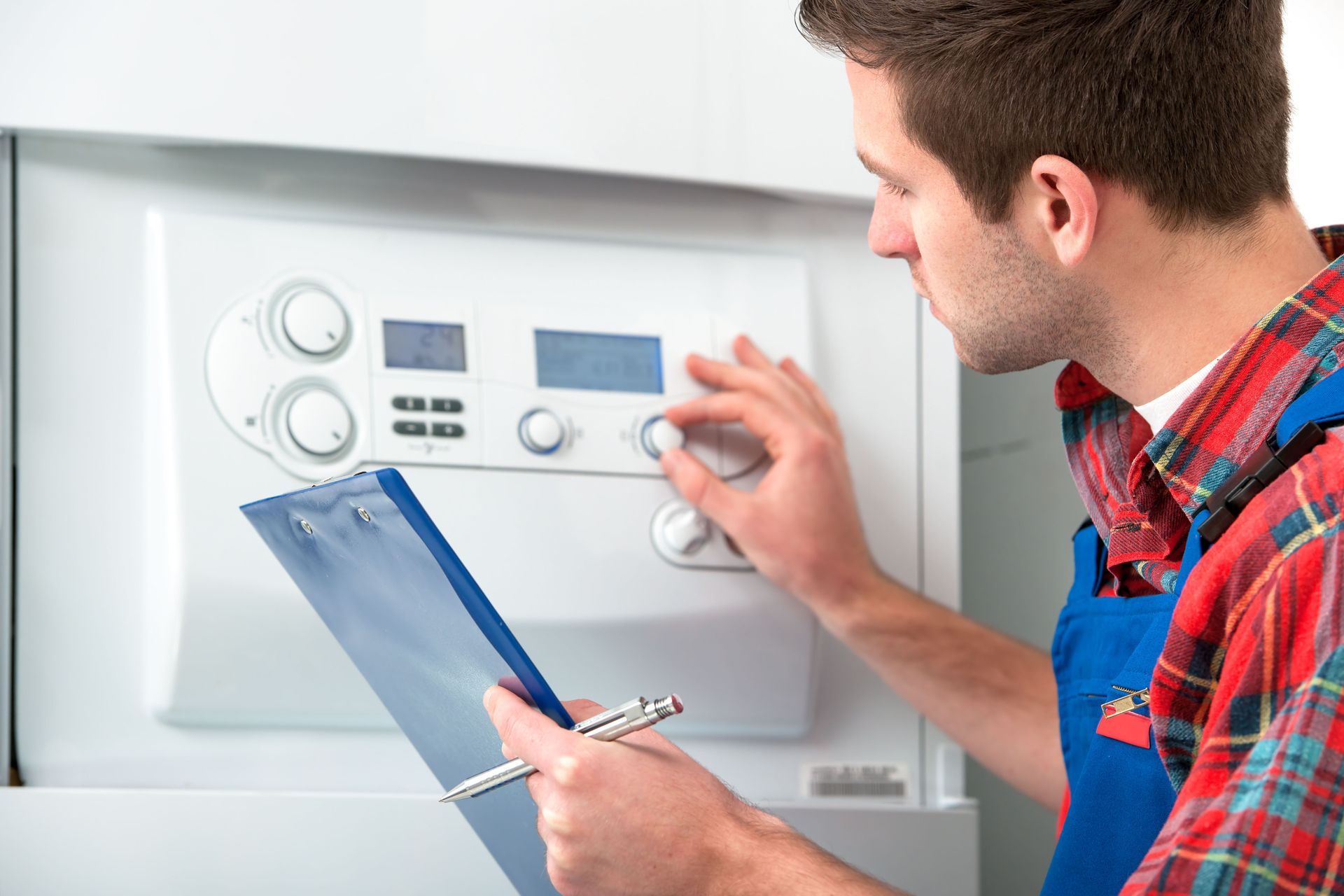
Thermostats are the command center of an HVAC system, regulating temperatures and energy use. Outdated thermostat technology can lead to inefficiencies, as analog models lack the precision of modern digital or smart models. Analog thermostats often have limited controls, leading to manual adjustments and less efficient temperature management. On the other hand, digital and smart thermostats offer various features that aid in energy conservation and improved system performance. The thermostat's role in efficiency is critical, and upgrading outdated models can yield substantial benefits.
Comparing analog, digital, and smart thermostats underscores the advantages of modern technology in managing HVAC systems. Digital thermostats permit scheduling, providing more consistent heating and cooling patterns, while smart thermostats adapt to users' habits and existing conditions. These advancements facilitate improved energy use management, translating to reduced energy costs and enhanced comfort. Smart thermostats, in particular, offer remote control capabilities and integration with home automation systems, providing user-friendly interfaces and top-notch efficiency. By transitioning to digital or smart thermostats with the help of a local HVAC company, users can harness advanced technology that contributes to better energy management and enhanced climate control.
5. Neglected HVAC Maintenance
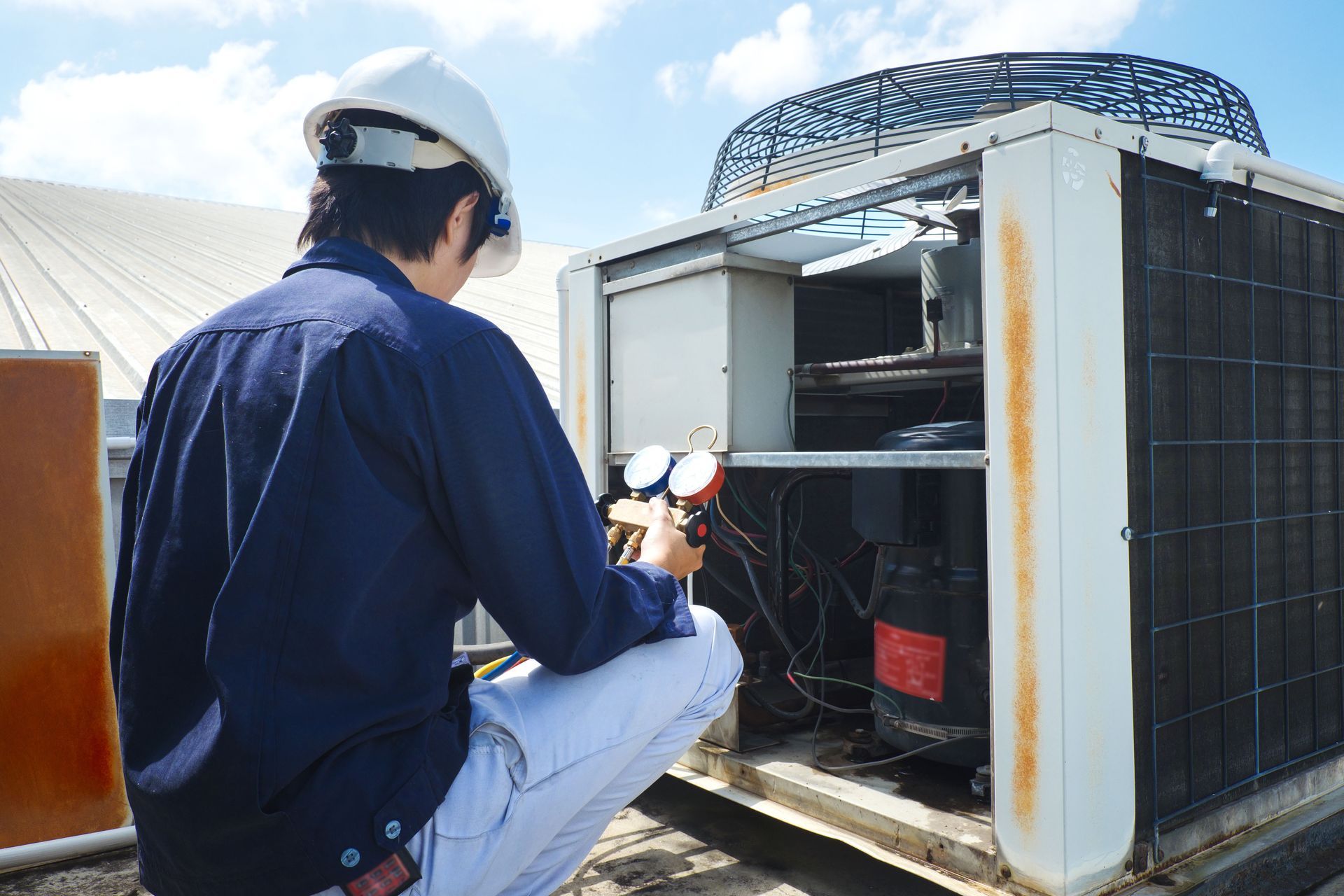
Regular maintenance is essential to ensure the optimal performance and longevity of HVAC systems. Often, maintenance is neglected until the system experiences failures or efficiency declines, known as crisis management. Routine maintenance by an HVAC company allows for early identification of potential issues, minimizing costly repairs and ensuring uninterrupted system function. Key tasks include cleaning components, checking refrigerant levels, and ensuring proper lubrication of moving parts. A proactive approach to maintenance significantly enhances energy efficiency and reduces the risk of unexpected breakdowns.
Keys to maintaining HVAC systems effectively involve a detailed understanding of essential tasks and timing for their execution. Scheduling regular visits, whether seasonal or annual, helps guarantee that important inspections and tasks are completed on time. Documenting these maintenance activities ensures all actions are organized and can be referenced for quality assurance and historical tracking. Understanding signs that indicate maintenance by an HVAC company is overdue, such as unusual noises, increased energy bills, or inconsistent temperatures, helps identify when immediate professional attention or servicing is required. Consistent maintenance preserves system performance and ensures the HVAC operates at peak efficiency year-round.
6. Poor System Design and Installation
The efficiency of an HVAC system is significantly influenced by proper sizing and design, yet this remains a commonly overlooked aspect during installation. Improperly sized systems experience strain during operation, either through insufficient capacity or unnecessary energy use. Accurate design ensures components are matched perfectly to the building's demands, optimizing efficiency and performance. A careful evaluation by an experienced HVAC company during the planning phase helps mitigate potential design errors. Ultimately, investing in appropriate design is fundamental to achieving long-term energy savings and system durability.
Common design flaws in HVAC systems include incorrect unit sizing, poor ductwork layout, and inadequate zoning. These flaws lead to uneven heating or cooling, increased operational stress, and inefficient energy use. Evaluating existing systems for these issues involves a detailed analysis by experts who can identify areas for improvement or recognize previous installation mistakes. Effective corrections include resizing equipment or redesigning ductwork to improve airflow and balance the distribution of conditioned air. Such adjustments can dramatically enhance environmental comfort, reduce energy costs, and extend the system's operational life by promoting optimal conditions.
By diagnosing and addressing these issues, homeowners and businesses can improve air quality, conserve energy, and achieve consistent comfort. If you're looking for a reliable HVAC company in the Belleville, IL area, our team at All Seasons Heating & Cooling is here for you! We provide emergency services, free estimates, and one-year installation labor warranties. Contact us today!