March 31, 2026
As the colder months approach, homeowners rely heavily on their heating systems to maintain a comfortable and safe indoor environment. A dependable system protects your family from the bitter cold and ensures daily routines remain uninterrupted. However, even the most well-maintained systems will eventually reach the end of their operational lifespan. Recognizing the warning signs of a failing system can save you from unexpected breakdowns in the middle of a freezing night. Delaying a replacement often leads to unnecessary stress, compromised comfort, and a waste of financial resources. By paying close attention to how your system operates daily, you can make an informed and proactive decision. Understanding the common indicators of a declining system allows you to plan your upgrade smoothly. Whether you are dealing with minor inefficiencies or a complete system failure, knowing when to replace your unit is a critical aspect of homeownership.
Evaluating the Age of Your Heating System
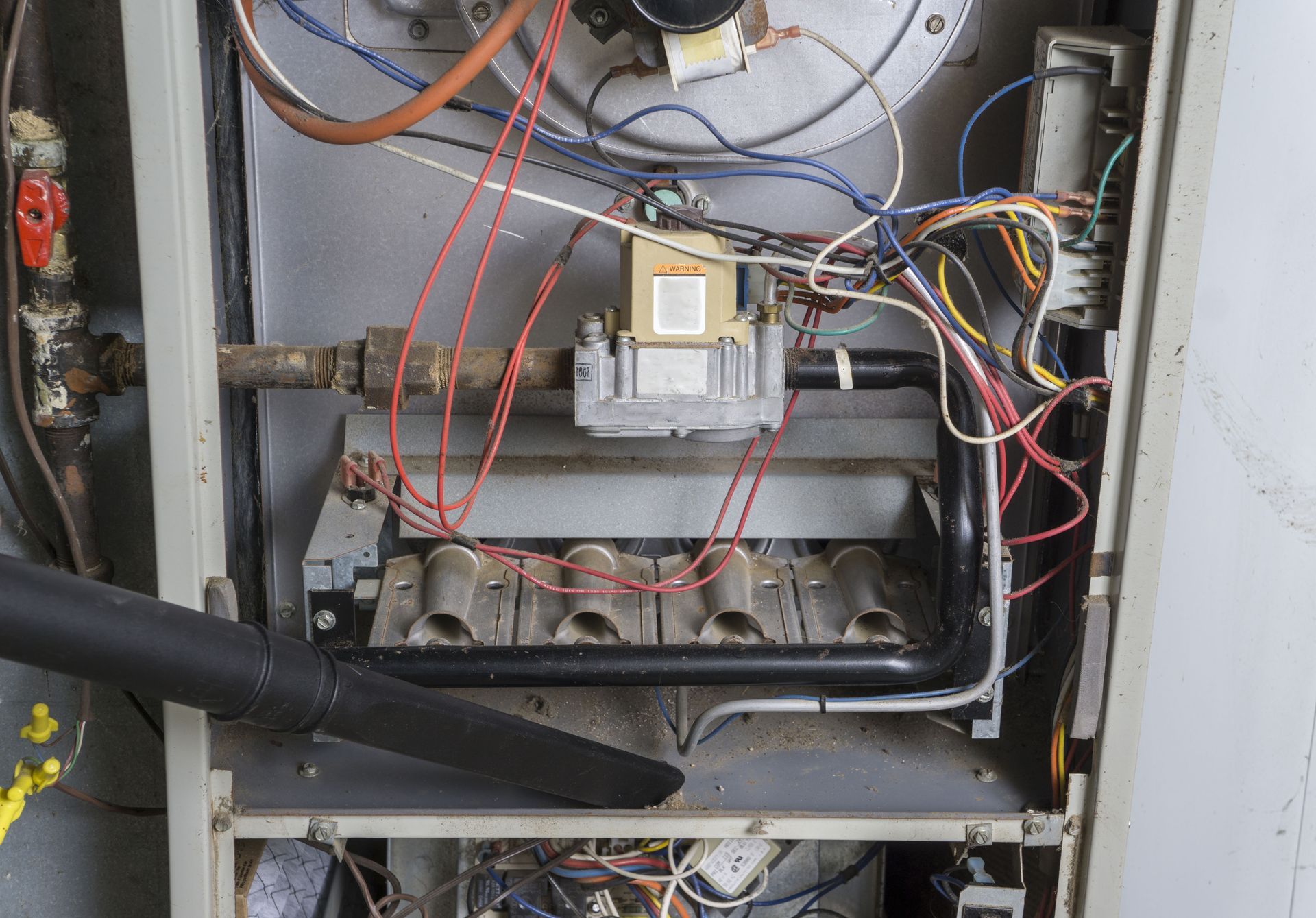
One of the most critical factors in determining the viability of your heating system is its chronological age. Over time, internal components degrade, technology advances, and overall efficiency naturally declines. According to This Old House, most furnaces last between 20 and 30 years, but you should consider replacement after 15 years if experiencing frequent repairs, unusual noises, uneven heating, rising energy bills, or visible signs of rust and corrosion around the unit. If your system is approaching or has surpassed this critical milestone, it is highly advisable to start exploring your replacement options. Older systems were simply not designed to meet modern energy efficiency standards, meaning you are likely paying more for less comfort. Additionally, sourcing replacement parts for an outdated unit can become increasingly difficult and expensive. While regular maintenance can certainly extend the life of your unit, it cannot reverse the natural aging process. Keeping a close eye on the age of your equipment provides a foundational baseline for evaluating its overall health. When the system passes that crucial age threshold, investing in a new unit becomes logical.
Monitoring the Increases in Your Energy Bills
Another glaring indicator that your heating system is on its last legs is a steady and unexplained increase in your monthly utility costs. As a heating unit loses its efficiency over time, it must work substantially harder and consume significantly more fuel to produce the same amount of heat. This constant strain directly translates to higher energy consumption and, consequently, inflated utility bills. If your heating habits have not changed, yet your bills continue to climb, your aging unit is likely the culprit. Homeowners often mistakenly attribute these rising costs to inflation or seasonal changes, ignoring the mechanical inefficiencies at play. Upgrading to a modern, energy-efficient system can drastically reduce your monthly operational costs, eventually offsetting the initial investment of the new unit. Continuing to operate an inefficient system is essentially throwing money away each month. By meticulously tracking your energy expenses, you can easily identify abnormal spikes that point to a failing unit. A gradual surge in your heating costs is a financial warning sign that a replacement is likely necessary.
Listening for Strange and Persistent Noises
Your heating system should operate with a relatively quiet and consistent hum. When you start hearing loud, disruptive, and highly unusual sounds, it is a clear sign that mechanical failures are imminent. Banging, rattling, squealing, or grinding noises indicate that internal components are coming loose, wearing out, or completely breaking down. These startling sounds are often the precursor to a complete system shutdown and a sudden need for emergency furnace repairs. Ignoring these auditory warnings will only exacerbate the underlying mechanical damage. A system that struggles to run quietly is a system that is struggling to function altogether. While minor adjustments can sometimes silence these noises temporarily, persistent rattling usually means the unit is nearing the end of its life. The cumulative cost of addressing these noisy breakdowns can quickly drain your budget. When you find yourself scheduling multiple furnace repairs just to keep the unit quiet, it is time to reconsider your strategy. Replacing the noisy, failing system with a new, quietly operating unit will restore the peaceful atmosphere of your home while eliminating stress.
Noticing Inconsistent Temperatures Throughout the Home
A properly functioning heating system should deliver a consistent and even layer of warmth to every single room in your house. If you begin to notice that certain rooms are uncomfortably chilly while others are stiflingly hot, your system is failing to distribute air effectively. This lack of temperature control often stems from a weakened blower motor, compromised ductwork, or a failing thermostat connection within the aging unit. When a system can no longer push warm air evenly, the comfort of your living space is severely compromised. Homeowners often try to compensate by constantly adjusting the thermostat, which only places additional strain on the already struggling equipment. This constant overworking frequently leads to burnt-out components and the immediate need for professional furnace repairs. You should not have to layer clothing in one room and open windows in another to find balance. If a technician has already performed furnace repairs to address airflow issues but the problem persists, the system simply lacks the operational capacity to heat your home. A full replacement ensures completely consistent warmth.
Tracking the Frequency of Professional Interventions
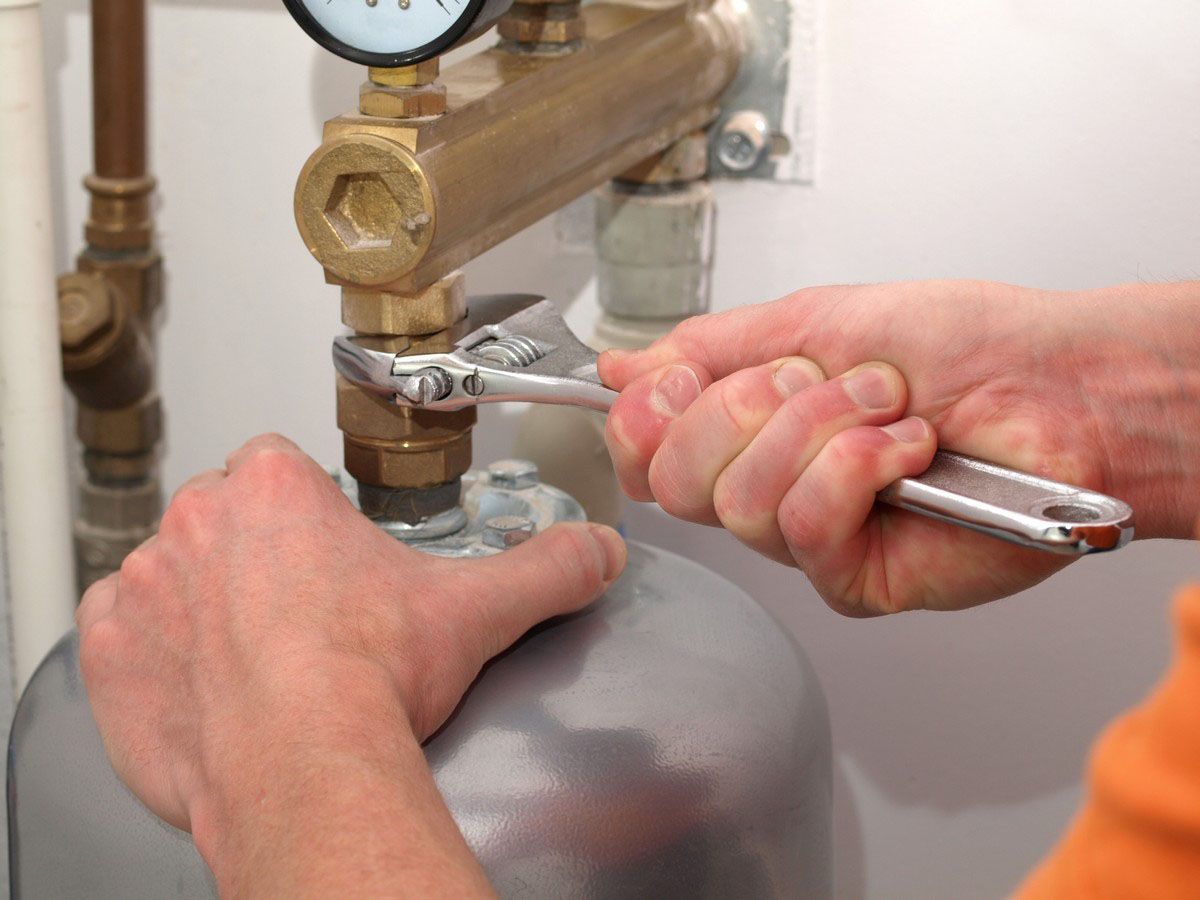
The most definitive sign that it is time to upgrade your system is the sheer frequency of professional interventions required to keep it running. Every mechanical system will eventually experience a breakdown, but these breakdowns should be rare and isolated events. When you find yourself on a first-name basis with your local heating technician, your system has become a financial liability. The cumulative expense of continuous furnace repairs can easily rival or exceed the cost of a brand-new installation. It is crucial to weigh the ongoing costs of these temporary fixes against the long-term value and reliability of a modern replacement. Throwing good money after bad by constantly paying for furnace repairs is a frustrating and inefficient approach to home maintenance. A new system comes with comprehensive warranties, improved safety features, and the peace of mind that it will function flawlessly when you need it most. If your current unit requires furnace repairs multiple times within a single heating season, the decision is clear. Stop wasting your resources on a dying system and invest wisely.
Observing Declines in Overall Indoor Air Quality
A deteriorating heating system does not just struggle to produce warmth; it can also have a profoundly negative impact on the overall air quality inside your home. As a unit ages, it becomes less effective at filtering out airborne particles, dust, and common household allergens. You might notice an unusual accumulation of dust on your furniture or experience an increase in respiratory irritation. Furthermore, an excessively old and degraded system poses severe safety risks, particularly concerning potential exhaust leaks. A cracked heat exchanger, a common issue in ancient systems, can release dangerous, odorless gases directly into your living space. Ensuring family safety should always be your highest priority. A brand-new heating unit features advanced filtration technology and modern safety mechanisms that protect your home from these hidden dangers. Upgrading your system guarantees a cleaner, fresher, and vastly healthier indoor environment. By replacing a compromised unit, you eliminate the constant worry of hazardous emissions.
Knowing when to let go of an old, failing heating system is vital for maintaining a comfortable, efficient, and safe home environment. By paying attention to the age of your equipment, rising energy costs, strange noises, uneven temperatures, poor air quality, and the constant need for professional intervention, you can make a timely and cost-effective decision. Upgrading to a new system is an investment in your long-term comfort and peace of mind. If you are experiencing any of these warning signs, do not wait for a complete system failure to take action. Call All Seasons Heating & Cooling today to learn more about replacement options and schedule an evaluation. Our team is ready to restore your warmth, safety, and energy efficiency.