April 30, 2026
Proper maintenance and intelligent use of HVAC systems can significantly impact indoor air quality, enhancing the comfort and health of allergy and asthma sufferers. Without the help of professional HVAC services, maintenance can seem overwhelming. Regular filter changes, duct inspections, and humidity control help reduce allergens, mold, and pollutants circulating indoors. Scheduling seasonal tune-ups ensures systems run efficiently and prevents buildup that can worsen respiratory symptoms. These tips from professional HVAC services will help make the process easier.
The Basics of Indoor Air Quality
Indoor Air Quality (IAQ) Defined
Indoor Air Quality (IAQ) refers to the condition of the air inside buildings, affecting the health and comfort of the occupants. It encompasses various factors, including temperature, humidity, ventilation, and the presence of pollutants or allergens. For allergy and asthma sufferers, maintaining optimal IAQ is crucial as poor air quality can exacerbate symptoms and reduce overall well-being. Understanding IAQ involves assessing how these factors interact within a home's environment. By recognizing and addressing specific IAQ concerns, homeowners can create healthier living spaces that support respiratory health and comfort.
Common Indoor Pollutants
Common indoor pollutants include dust mites, pet dander, mold spores, pollen, and volatile organic compounds (VOCs). These elements can originate from various sources, such as household cleaning products, furnishings, and external environmental infiltrations. Inadequate ventilation and humidity control can exacerbate the concentration of these pollutants, thereby negatively affecting IAQ. For allergy and asthma sufferers, minimizing exposure to these irritants is paramount in managing their condition. Implementing strategies for reducing indoor pollution can significantly improve IAQ and quality of life for sensitive individuals.
Impact of Poor IAQ on Allergies and Asthma
Poor IAQ can lead to a range of health issues, particularly affecting individuals with allergies and asthma. Exposure to indoor pollutants can trigger or worsen respiratory symptoms, including sneezing, coughing, wheezing, and shortness of breath. Long-term exposure may increase susceptibility to respiratory infections and exacerbate chronic respiratory conditions. For those already vulnerable, optimizing IAQ becomes not just a matter of comfort, but a critical component of managing their health. With strategic improvements, it's possible to lessen these adverse effects and foster a more breathable indoor atmosphere.
Benefits of Improved IAQ
Enhanced IAQ offers numerous benefits, particularly for those dealing with respiratory concerns. Improved air quality leads to reductions in allergy and asthma symptoms, thereby enhancing the overall quality of life. Additionally, families can experience more restful sleep, increased energy levels, and better general health outcomes. Clean air supports a healthy immune system by lowering the risk of contracting airborne illnesses. By prioritizing IAQ, homeowners can enjoy a healthier living environment that is conducive to optimal respiratory function.
The Right HVAC Filter
Different Types of HVAC Filters
Furthermore, HVAC filters from HVAC services come in various types, including fiberglass, pleated, electrostatic, and HEPA filters. Each type has its characteristics, impacting its effectiveness in filtering out pollutants and allergens. For allergy and asthma sufferers, selecting the right filter type is crucial to effectively reducing airborne contaminants. Fiberglass filters are economical but less effective, while pleated filters offer better particulate capture. Understanding the specific needs of your home environment assists in making informed filter choices that maximize air quality.
MERV Ratings and What They Mean
The Minimum Efficiency Reporting Value (MERV) rating system allows for the measurement of a filter's effectiveness at capturing particles of varying sizes. MERV ratings range from 1 to 20, with higher values indicating greater filtering capability. For residential HVAC systems, a MERV rating between 8 and 13 is generally recommended for households with allergy or asthma sufferers. However, it's important to consider the system's compatibility with higher-rated filters, which may impose additional strain. Selecting a filter with a suitable MERV rating ensures effective pollutant filtration and system efficiency.
HEPA Filters for Maximum Filtration
HEPA (High-Efficiency Particulate Air) filters represent the gold standard in air filtration, capturing 99.97% of particles as small as 0.3 microns. For households with severe allergy or asthma concerns, HEPA filters offer unparalleled filtration capabilities. They are particularly effective in capturing fine particles such as pollen, pet dander, and dust mites. Implementing HEPA filters can significantly enhance IAQ, creating a cleaner and healthier environment. However, it's essential to ensure that HVAC systems can accommodate HEPA filters to avoid potential airflow restrictions.
How Often to Replace Your Filter
Regular filter replacement with HVAC services is critical to maintaining optimal IAQ and HVAC efficiency. According to the American Academy of Allergy, Asthma, and Immunology, small-particle filters should be cleaned or replaced at least once a month in homes with individuals suffering from allergies or asthma. Regular replacement ensures maximum filtration capacity and prevents undue strain on HVAC systems. Ignoring filter maintenance can lead to clogged filters, reduced system efficiency, and increased exposure to airborne allergens. Staying consistent with filter replacement schedules promotes a healthier indoor environment.
Signs You Need a New Filter
Several signs suggest that a filter replacement is necessary, indicating compromised filtration and system performance. A visible accumulation of dust on furniture soon after cleaning may signal decreased filter efficiency. Reduced airflow, unusual system noises, or an increase in HVAC energy consumption are other key indicators. Foul odors emanating from vents can also result from dirty filters harboring trapped particles and mold growth. Proactively replacing filters upon observing these signs can help maintain optimal IAQ and prevent system-related issues.
Regular HVAC Maintenance
Importance of Regular HVAC Maintenance
The importance of regular HVAC maintenance cannot be overstated, especially for households with allergy or asthma sufferers. Routine maintenance ensures that HVAC systems operate efficiently, thereby preserving optimal IAQ. Regular inspections and cleanings prevent the accumulation of dust, allergens, and other pollutants within the system. Additionally, timely maintenance helps address minor repairs before they escalate into significant issues. Consistent maintenance with HVAC services sustains a healthier indoor environment and enhances the longevity and performance of HVAC systems.
Professional Maintenance Services
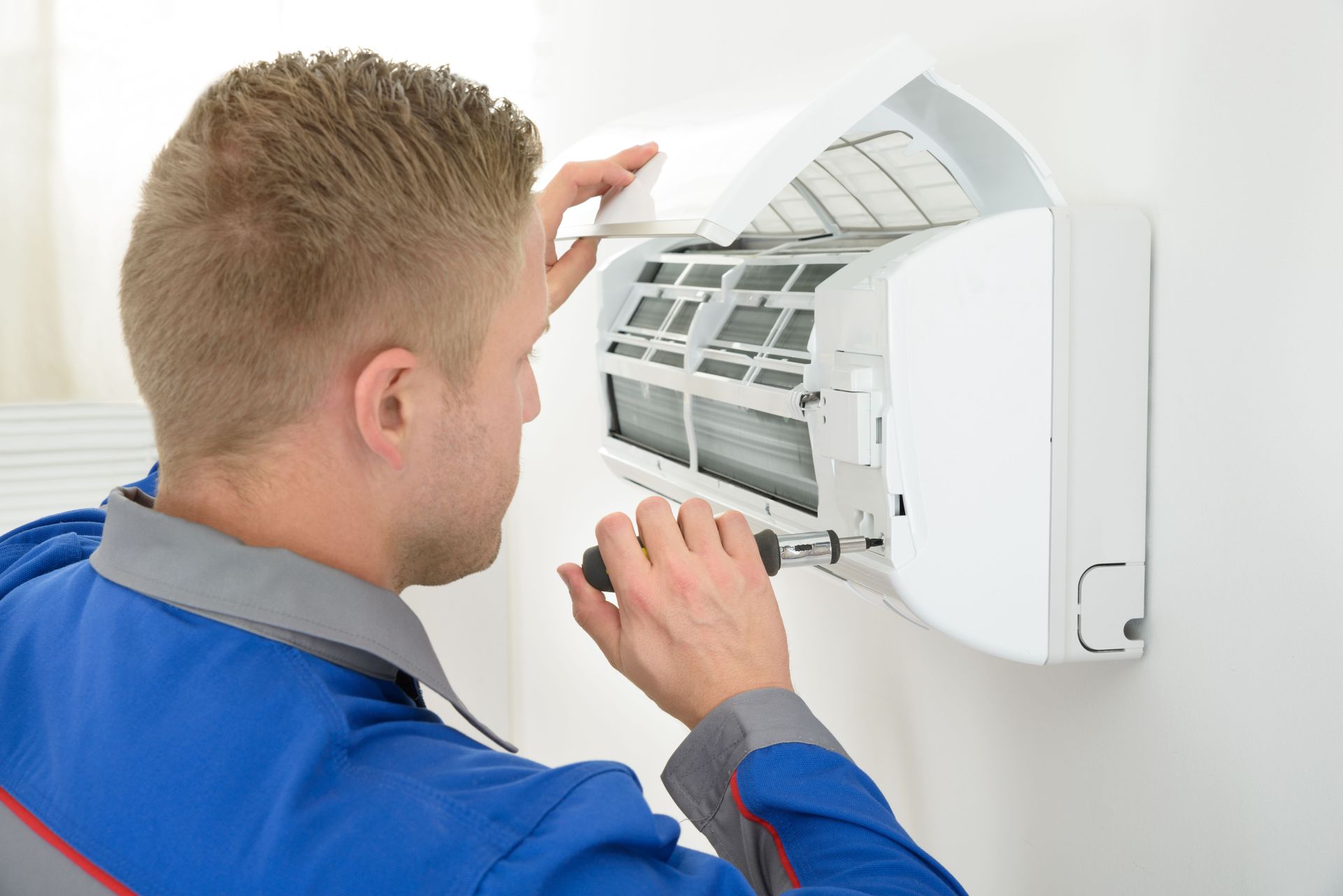
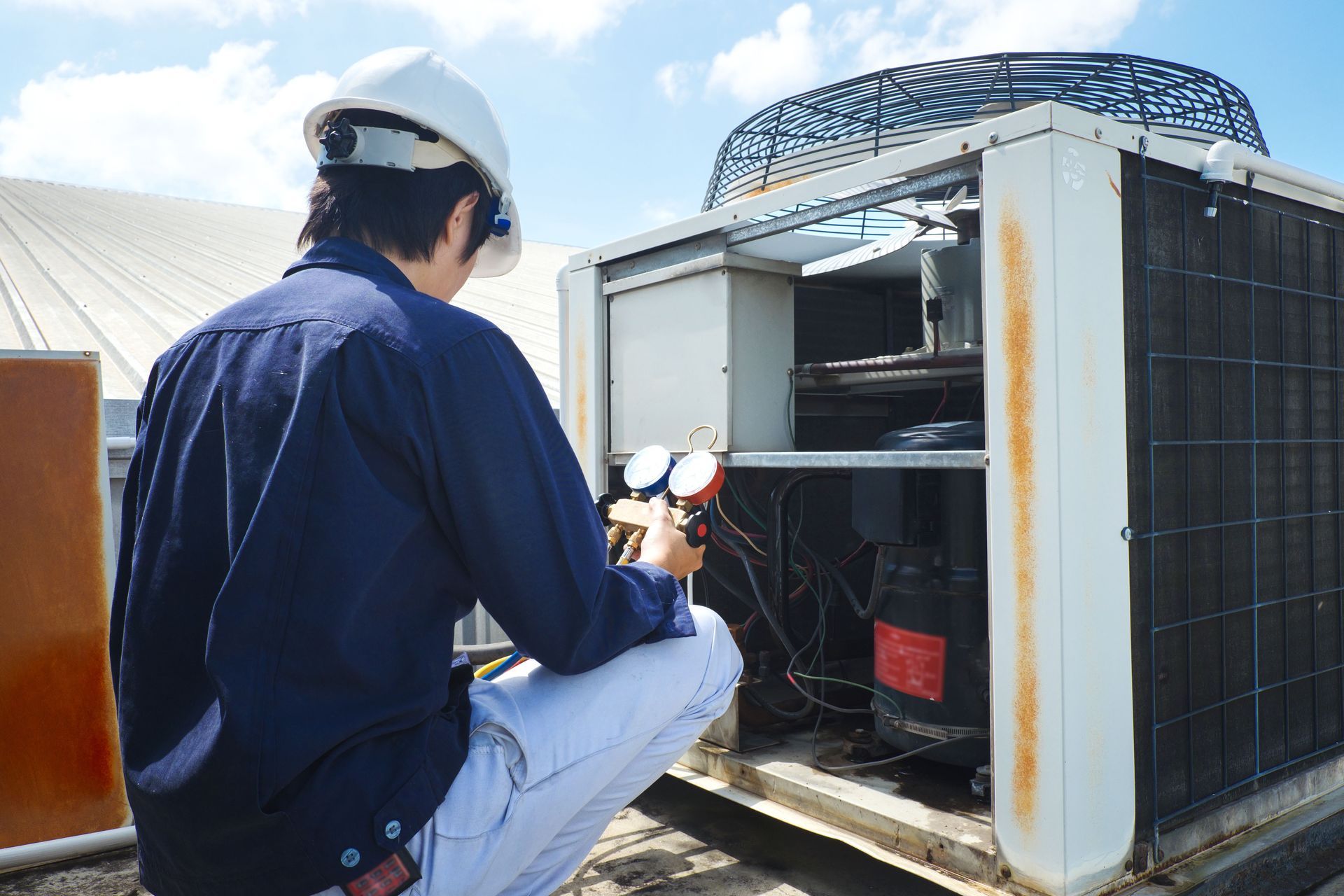
For comprehensive HVAC care, enlisting professional maintenance services offers distinct advantages. HVAC professionals conduct thorough inspections, cleaning, and adjustments to optimize system performance and address potential air quality concerns. They possess the expertise to identify subtle issues that could undermine system efficiency and effectiveness. Opting for professional services ensures that maintenance protocols adhere to industry standards, providing peace of mind to homeowners. Scheduling regular professional maintenance elevates overall IAQ and system reliability, ensuring a comfortable and healthy living environment.
Seasonal HVAC Maintenance Checklist
Implementing a seasonal HVAC maintenance checklist helps homeowners systematically address critical aspects of system care. Before transitioning between heating and cooling seasons, inspecting and cleaning the system optimizes its readiness for changing demands. Replacing filters, checking thermostat settings, and testing airflow are essential components of seasonal maintenance. As climates shift, verifying component performance and addressing potential issues prevents unexpected malfunctions. A proactive approach to seasonal maintenance ensures consistent IAQ and system efficiency year-round.
Implementing these HVAC tips can significantly improve indoor air quality, reducing allergy and asthma symptoms. Invest in your health by maintaining a clean and efficient HVAC system that aligns with your home's specific needs. By prioritizing these strategies, you can create a safer and more comfortable environment that supports better respiratory health. If you have any questions or would like more information, please don't hesitate to reach out to our dedicated team. For HVAC services, call us at All Seasons Heating & Cooling today.