July 30, 2026
The increasing adoption of central air conditioning systems has marked a significant shift in the residential HVAC industry, leading to a surge in demand for professional air conditioning installation services. This article explores the core reasons behind this growing consumer preference and its broader implications for both homeowners and service providers. Central air conditioning offers numerous architectural and functional benefits that far surpass traditional window units or portable models, making it an attractive long-term solution for property owners. As modern living standards continue to elevate, central air systems have become a primary symbol of indoor comfort, convenience, and health. Additionally, rapid technological advancements and a growing emphasis on home energy efficiency have further propelled their popularity. Investing in professional air conditioning installation services allows homeowners to upgrade their living spaces while optimizing long-term home value and energy savings.
Convenience and Comfort of Central Air Systems
Central air systems provide whole-house cooling advantages that are completely unparalleled when compared to localized air conditioning solutions. Unlike portable or window units that only cool specific, isolated rooms, central air ensures that the entire house maintains a perfectly consistent temperature. This system operates by distributing chilled air through a dedicated network of concealed ducts, reaching every room quickly and efficiently. As a direct result, homeowners can enjoy a uniformly comfortable indoor environment throughout their living spaces without dealing with cold spots or warm drafty zones. This comprehensive, whole-home cooling capability makes central air systems the undisputed top choice for modern residences.
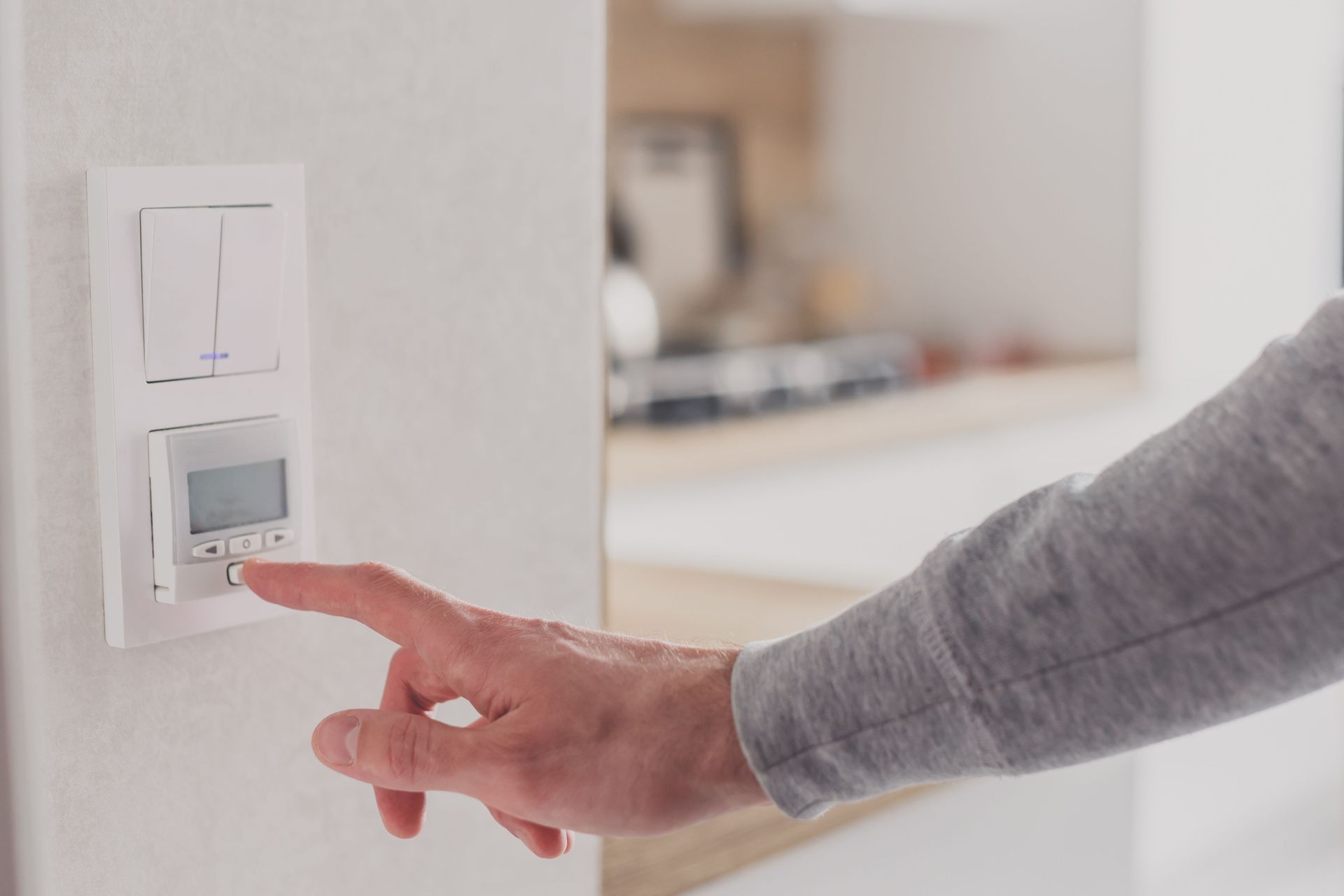
Beyond simple cooling capacity, central air systems excel at providing precise temperature consistency and effortless control. With the seamless integration of advanced digital thermostats, homeowners can easily set their ideal temperature targets, ensuring a pleasant indoor atmosphere regardless of outdoor weather spikes. Many modern units feature sophisticated programmable schedules, allowing users to reduce cooling during work hours and restore comfort right before returning home. Central air systems eliminate the hassle of installing and storing multiple loud window units while minimizing room-to-room temperature discrepancies. This unmatched level of environmental control heavily contributes to central air's rising desirability among homeowners seeking quality air conditioning installation services.
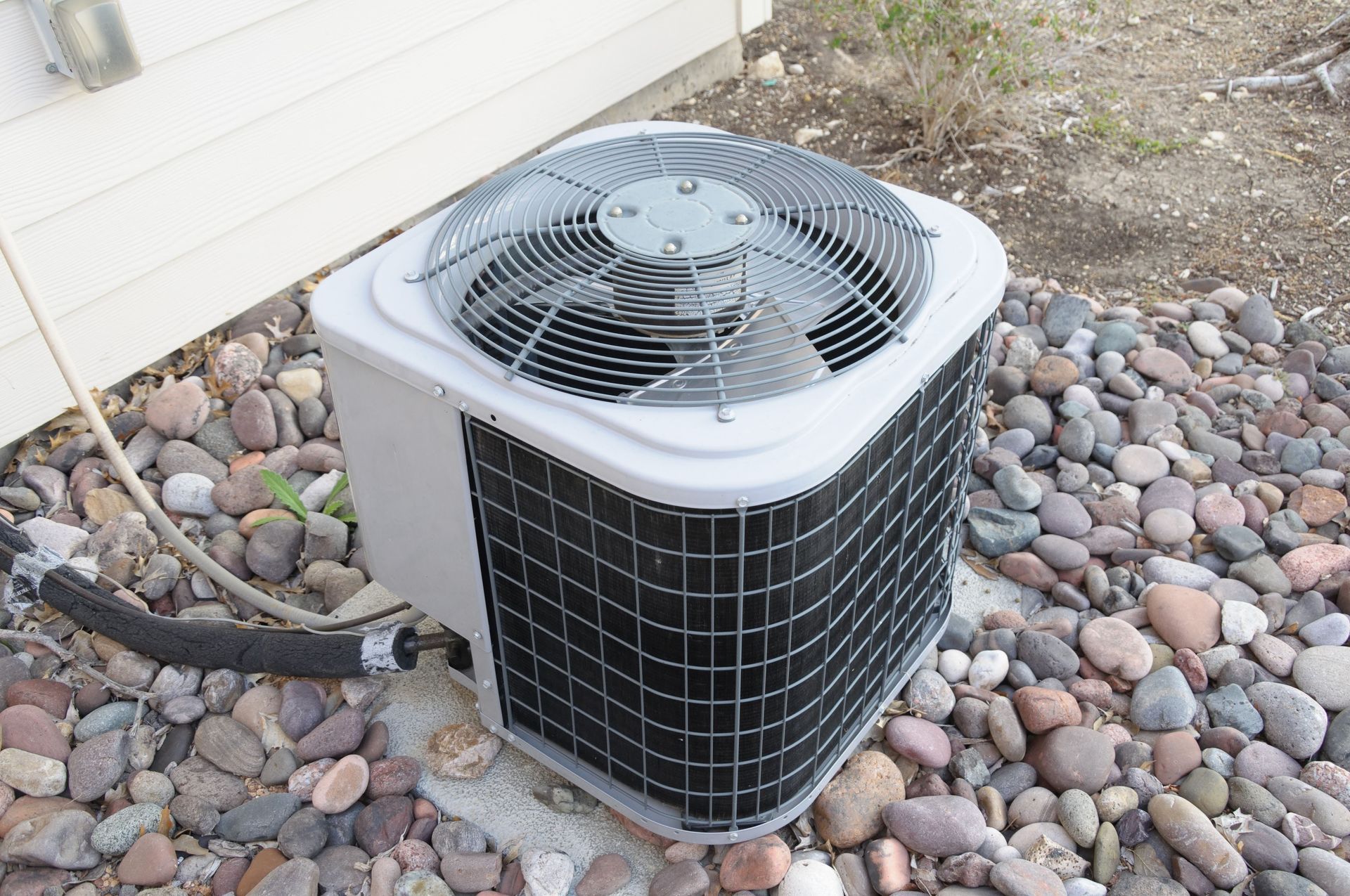
A crucial advantage of central air systems is their ability to dramatically improve overall indoor air quality. Modern central units incorporate high-efficiency air filtration systems that actively capture dust, pollen, pet dander, and airborne mold spores as air circulates. Unlike window units, which often recirculate unfiltered or damp air, central systems help reduce respiratory irritants, contributing directly to a healthier home environment. Furthermore, because the heavy compressor operates outside the house, these systems perform their work remarkably quietly, ensuring a peaceful and serene living atmosphere. This quiet, unobtrusive operation, paired with clean indoor air, makes professional installation an investment in daily well-being.
Technological Advancements Driving Popularity
Technological advancements have played a major role in driving the expanding demand for whole-home cooling installations. One of the most compelling recent developments is the integration of smart thermostats into newly installed central air networks. These intelligent devices allow homeowners to monitor and adjust their home's climate remotely using smartphone applications, tailoring their environment on demand. Smart thermostats also drive substantial energy savings by learning household routines, tracking occupancy patterns, and making real-time adjustments based on weather forecasts. This seamless connectivity represents a major leap toward a fully integrated, energy-efficient smart home ecosystem.
Energy efficiency innovations have further bolstered the financial and environmental appeal of central systems. Modern central cooling units are engineered with high SEER (Seasonal Energy Efficiency Ratio) ratings, significantly reducing electricity consumption while maximizing output. According to WifiTalents, 62% of U.S. households use central air conditioning as their primary equipment. This widespread adoption reflects how heavily consumers rely on central units for daily climate control. When upgrading older, inefficient systems through certified air conditioning installation services, property owners lower their monthly utility bills while reducing their household's carbon footprint, making modern central air both an economical and environmentally sound choice.
The implementation of multi-zone climate control has further enhanced the customizability of central air conditioning. Zone control utilizes motorized dampers within the ductwork, allowing homeowners to divide their property into separate temperature zones with independent controls. This prevents energy waste by avoiding the unnecessary cooling of unoccupied rooms, yielding substantial financial savings on monthly energy bills. Moreover, modern systems utilize eco-friendly refrigerants that comply with updated environmental regulations, appealing to eco-conscious buyers. The ability to manage home humidity and temperature seamlessly makes modern central air systems an exceptional upgrade for any residential property.
Energy Efficiency and Environmental Concerns
Energy efficiency and environmental sustainability have become central factors in the decision-making process for homeowners considering HVAC replacements. A primary benefit of upgrading to a modern central air unit is the immediate reduction in energy consumption, as contemporary models adhere to strict federal efficiency standards. These advanced systems utilize variable-speed compressors and optimized coil designs that draw significantly less power than legacy units. By lowering electricity demand, these systems help mitigate the environmental impact associated with residential power generation. As public awareness regarding carbon emissions continues to grow, central air installations align perfectly with evolving consumer values.
Modern central air systems also facilitate compliance with stringent green building codes and regional energy regulations. Federal and local agencies frequently grant certifications to HVAC products that meet rigorous energy-saving criteria, such as the Energy Star label. Homeowners who select certified high-efficiency units not only support environmental preservation efforts but also qualify for lucrative government tax credits, utility rebates, and financial incentives. These financial offset programs make top-tier air conditioning installation services much more affordable, encouraging broader adoption across residential communities.
Consumer Demand and Market Trends
Key real estate and consumer market trends have significantly fueled the sustained demand for central air systems. Rising urban development and the construction of larger single-family homes have increased the need for comprehensive centralized cooling solutions. Urban residential areas frequently experience higher outdoor ambient temperatures due to heat island effects, making reliable indoor climate control a necessity rather than a luxury. Homeowners actively seek solutions that maintain comfortable living spaces during extreme summer heatwaves. Consequently, property developments increasingly feature pre-installed ductwork designed specifically for central air infrastructure.
Rising disposable income levels and an increased emphasis on home comfort have also accelerated market growth. Today's property owners are eager to invest in home improvements that improve daily quality of life while adding tangible real estate equity. Central air conditioning is widely recognized as a premium feature that increases property resale value and marketability. Furthermore, flexible contractor financing options and low-interest equipment loans have made high-capacity cooling upgrades far more accessible to budget-conscious families. This combination of financial accessibility and home value appreciation sustains robust demand for professional air conditioning installation services.
The clear dominance of central air systems in residential cooling highlights a widespread shift toward superior home comfort, health consciousness, and energy efficiency. Central air conditioning offers an all-in-one solution that meets every expectation of modern living by providing uniform whole-house cooling, superior indoor air quality filtering, and smart home automation. As energy efficiency standards tighten and smart technology continues to evolve, central air will remain the primary choice for homeowners seeking reliable, long-term climate control. Investing in professional air conditioning installation services ensures that your system operates at peak performance, protecting your financial investment while delivering effortless indoor comfort. When you are ready to upgrade your home's climate system, trust the certified experts at All Seasons Heating & Cooling to provide exceptional service, precise installation, and reliable home comfort tailored to your exact needs.