September 30, 2026
The proper functioning of a heating system is essential for maintaining comfort, health, and energy efficiency, especially during the severe cold of winter. However, like any complex mechanical setup operating under high operational stress, these units are prone to gradual component wear and inevitably require heating repairs over time. Understanding the primary causes behind these operational disruptions empowers property owners to manage their mechanical systems proactively, spot early warning signs, and mitigate unexpected financial burdens. From thermostat glitches and electrical faults to severe airflow restrictions and ignition failures, identifying system vulnerabilities early keeps equipment running safely. By committing to routine maintenance and timely professional service, households can preserve operational efficiency, maintain healthy indoor air quality, optimize fuel consumption, and significantly extend the functional lifespan of their heating investment.
Thermostat Malfunctions and Control Issues
Thermostats act as the central command center for modern heating systems, continuously monitoring ambient indoor temperatures and signaling the furnace or heat pump to start or stop heating cycles. When these intricate devices experience internal errors, the entire heating infrastructure struggles to operate efficiently. Faulty temperature sensors send inaccurate ambient room data to the control board, causing the system to short-cycle rapidly or run continuously without reaching the set temperature. Internal calibration issues can also develop over time, leading to noticeable temperature drift that leaves living spaces either uncomfortably cold or excessively overheated. Furthermore, loose wiring, corroded terminal connections, or depleted batteries disrupt essential low-voltage communication signals between the control interface and the main heating unit.
For homes using advanced smart thermostats, outdated firmware, software glitches, or Wi-Fi network disruptions introduce additional operational errors that prevent proper schedule execution. Homeowners frequently overlook basic thermostat maintenance, resulting in persistent temperature mismatches and inflated utility bills. When a thermostat misreads household conditions, it forces blower motors and burners to work far harder than necessary, causing premature mechanical degradation. In fact, according to WebFX, 3 million HVAC units are replaced each year, highlighting the widespread nature of cumulative system stress and unaddressed component failures. Resolving connection issues, replacing internal batteries annually, updating device software, and recalibrating sensors prevent unnecessary mechanical strain on heating equipment, ensuring consistent warmth without driving up monthly energy bills.
Severe Airflow Restrictions and Clogged Filters
Restricted airflow stands out as one of the most frequent yet easily preventable causes behind frequent heating repairs. Central air filters are designed to capture airborne dust, dirt, pet dander, lint, and micro-particles to protect delicate internal components from fouling. However, as dust accumulates across the filter media, air cannot pass freely through the return ducts. This restriction forces the main blower motor to work under significantly higher static pressure, drawing excess electrical current while drastically reducing the volume of warm air distributed throughout the living space. Over time, restricted airflow produces uneven temperature zones across different rooms, leaving distant areas cold while the central unit operates continuously under heavy load.
Beyond energy inefficiency and cold spots, severe airflow restrictions pose dangerous risks of total system overheating. Without a steady volume of cool return air passing over the heat exchanger to absorb thermal energy, internal heat levels spike rapidly. This sudden rise in temperature triggers high-limit safety switches, which automatically shut down the burners or heating elements to prevent structural fires or cracked heat exchangers. Repeated heat stress causes metal components to expand, warp, and weaken, rapidly accelerating component breakdown. Replacing disposable air filters every 30 to 90 days protects sensitive blower assemblies, keeps internal ductwork clean, prevents safety shutdowns, and wards off the costly heating repairs brought on by severe mechanical overheating.
Mechanical Wear and Moving Component Strain
A residential heating system contains numerous moving mechanical components that undergo hundreds of operational hours each season. Blower fan motors, induction draft motors, internal bearings, pulleys, and fan belts endure continuous friction and vibration during active heating cycles. Without sufficient lubrication, motor bearings overheat, seize, and burn out electrical windings. Worn or loose blower belts can slip, squeal, or snap completely, immediately stopping warm air movement through the supply ducts. Furthermore, imbalanced fan blades accumulate heavy layers of dust, causing noticeable vibration that damages motor mounts and creates disturbing rattling noises throughout the building structure.
Addressing mechanical friction and component wear early prevents isolated mechanical issues from causing widespread system damage. For example, a failing draft inducer motor that cannot clear flue gases safely will prevent the main burners from igniting at all. Scheduling annual mechanical inspections allows certified technicians to lubricate moving parts, align belts, balance fan assemblies, and measure motor amperage draw before parts fail completely. Proactive care catches physical wear long before components fail on cold winter nights, ensuring whisper-quiet operation, optimal airflow, and long-term equipment reliability.
Electrical Component Failures and Power Issues
The electrical infrastructure inside a modern furnace or heat pump is dense and highly sensitive to voltage fluctuations, power surges, and loose connections. Frayed wiring, cracked wire nuts, burned contactor points, and failed capacitors represent common points of electrical failure. Run capacitors provide the high starting torque required to kickstart heavy blower motors and compressors; when these capacitors degrade due to heat or age, motors struggle to start, overheat, and eventually burn out. Relays and control boards can also short-circuit when exposed to electrical spikes, moisture, or insect intrusion, bringing system operation to a sudden halt.
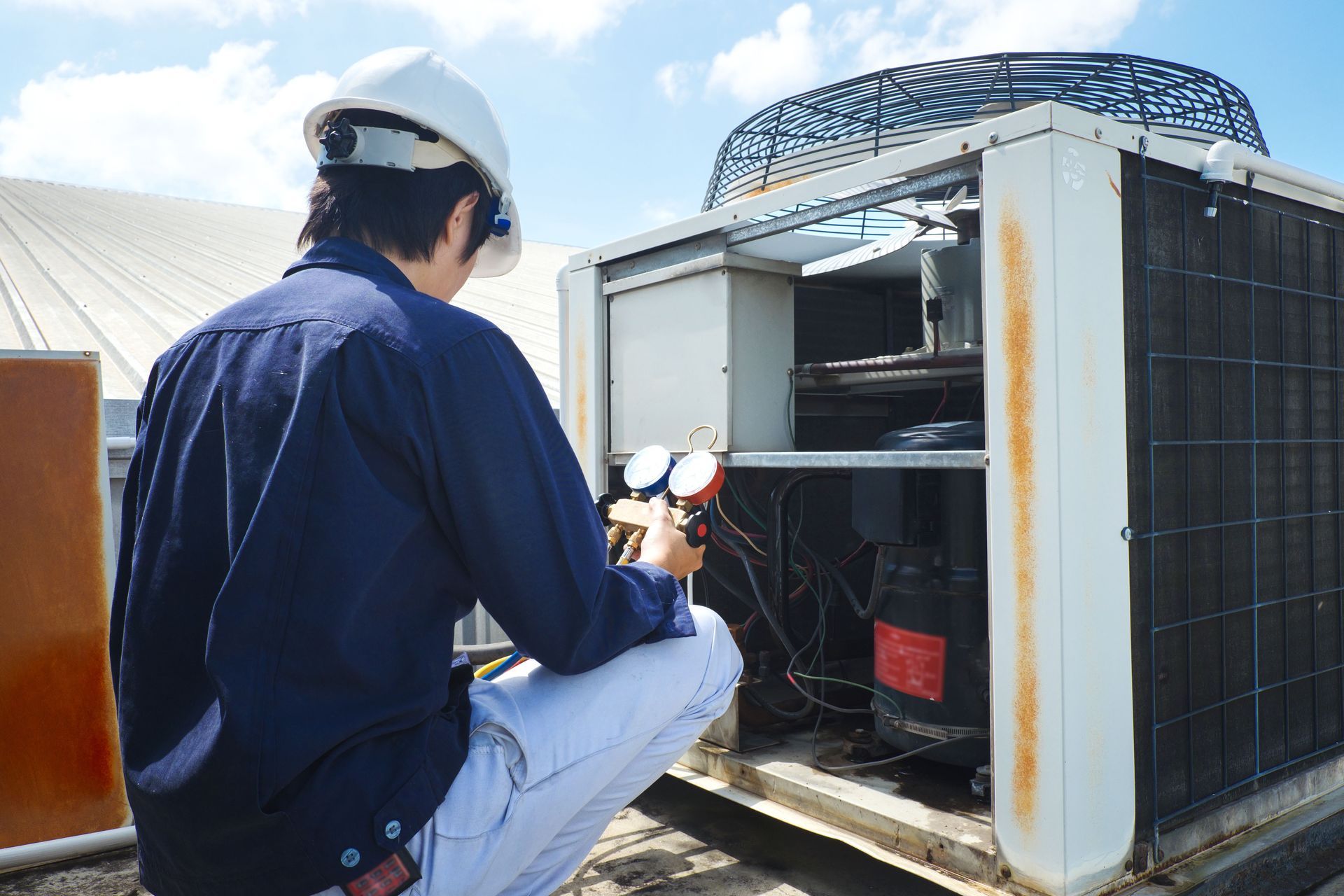
Thermal expansion and contraction during normal heating cycles gradually loosen terminal screws, creating high-resistance connections that generate excessive heat. This localized heat can melt wire insulation, blow internal fuses, or cause electrical arcing that damages expensive circuit boards. Professional technicians use specialized multimeter tools to measure voltage, test capacitance, inspect safety switches, and tighten all terminal screws during seasonal maintenance visits. Identifying aging capacitors and loose connections early prevents sudden electrical failures, protects delicate control circuits, and keeps heating systems functioning safely without unexpected power losses.
Neglected Preventative Care and Maintenance Disregard
Skipping annual professional tune-ups remains a leading root cause behind catastrophic equipment breakdowns and premature unit replacements. Over months of operation, soot accumulates on burner surfaces, condensate drain lines become clogged with algae or mineral deposits, and electrical connections loosen under physical stress. Ignoring these minor conditions allows small, inexpensive issues to escalate into major mechanical faults. For example, a clogged condensate line on a high-efficiency condensing furnace will trip a float switch and shut down the unit, or cause water to back up and rust out internal heat exchangers and electrical components.
Investing in consistent seasonal maintenance preserves fuel efficiency, keeps operating costs low, and protects overall equipment longevity. Comprehensive tune-ups include cleaning burners, flushing condensate lines, inspecting heat exchangers for dangerous cracks, checking gas pressure, and verifying that all safety controls function perfectly. Proactive service identifies subtle operational flaws long before they turn into complete system failures, giving homeowners peace of mind. Consistent care minimizes the risk of structural damage, reduces unexpected heating repairs, and ensures that your heating investment delivers dependable, affordable comfort throughout its full design life.
Understanding the diverse causes behind common heating issues empowers property owners to take control of their indoor comfort, safety, and energy usage. From simple monthly air filter replacements and routine thermostat recalibrations to professional ignition cleaning and electrical testing, staying proactive prevents minor mechanical glitches from turning into expensive emergencies. Timely attention to early warning signs protects internal components, keeps energy bills manageable, preserves healthy indoor air quality, and prevents premature equipment failure. When you need dependable help keeping your heating system running efficiently and reliably all winter long, count on the dedicated professionals at All Seasons Heating & Cooling to deliver expert diagnostics, exceptional craftsmanship, and lasting comfort solutions for your home.