June 30, 2026
Air conditioning has undergone a remarkable evolution from its conception to its ubiquitous presence in modern society. This article explores the transformative journey of air conditioning and how it became an essential component of contemporary life. From its industrial origins to its predominant role in residential settings, air conditioning has not only changed how we live but also shaped cultural and social norms worldwide.
1. The Invention and Early Development of Air Conditioning
1.1 The Pioneering Work of Willis Carrier
Willis Carrier, often referred to as the "Father of Air Conditioning," was a pivotal figure in the invention of modern air conditioning. In 1902, Carrier developed the first mechanical air conditioning system, aimed at controlling humidity in a printing plant. His breakthrough was driven by a complex understanding of thermodynamics and fluid mechanics. Carrier's invention significantly impacted industrial manufacturing, leading to improved quality control in production processes. His contributions laid the foundation for subsequent technological innovations in climate control.
1.2 Initial Industrial Applications
Initially, air conditioning was used predominantly in industrial settings where humidity control was crucial. Factories, textile mills, and printing plants were among the first to adopt air conditioning technology to improve production efficiency and product consistency. The ability to regulate environmental conditions ushered in a new era of industrial productivity and worker comfort. However, due to the high cost and complexity, early air conditioning systems were not broadly applicable outside industrial environments. This phase set the stage for future innovations that would expand its use beyond industry.
1.3 Early Home Installations
As technology advanced and costs decreased, air conditioning systems began to make their way into private homes. Initially, home installations were a luxury only accessible to the wealthy elite. The transition from exclusive industrial use to residential adoption marked the beginning of air conditioning as a consumer product. It wasn't until post-war advancements and economic prosperity that air conditioning became more affordable to the middle class. This broader adoption marked a significant milestone in making air conditioning more commonplace in everyday life.
1.4 Technological Innovations in the Early 20th Century
The early 20th century saw numerous technological advancements that contributed to the development of modern air conditioning systems. Innovations such as the rotary compressor and portable units made air conditioning more efficient and accessible. Engineers and inventors continued to refine and enhance the technology, increasing its capacity and capability while reducing size and operational costs. These technological strides allowed air conditioning to proliferate in various settings—from commercial spaces to public institutions. This period of innovation was crucial in setting the groundwork for future mass adoption.
1.5 Expansion Beyond Industrial Uses
The expansion of air conditioning beyond industrial uses marked a turning point in its evolution. As more public buildings and businesses, such as movie theaters and department stores, began installing air conditioning systems, the public grew accustomed to the comfort it provided. This expansion spurred demand for home units, leading to the development of more compact and cost-effective designs tailored for residential use. Increased demand streamlined production and reduced costs, making it feasible for wider adoption. Thus, air conditioning began its journey into becoming a staple of modern living.
2. Post-War Economic Boom and Air Conditioning
2.1 The Impact of Economic Growth on Consumer Adoption
In the post-war era, economic boom and rising incomes greatly facilitated the spread of home air conditioning. The newfound prosperity of the mid-20th century enabled more families to afford modern conveniences, including air conditioning systems. This period saw an increase in homeownership in suburban areas, often including integrated climate control systems as a selling point. The American Dream was often marketed with images of comfort and technological progress, making air conditioning a desirable commodity. The economic uptick fueled the consumer market, facilitating broader adoption across households.
2.2 Growth in Residential Air Conditioning
Residential air conditioning became increasingly prevalent during the economic boom as manufacturers responded to growing consumer demand. Innovations in manufacturing processes and materials further drove down costs, making air conditioning more accessible to the average homeowner. This democratization of access signified a cultural shift, turning air conditioning from a luxury into a standard home feature. The significant rise in installations highlighted a shift in public perception, viewing a cooled home as a necessity rather than an extravagance. Homes equipped with air conditioning systems began symbolizing modernity and comfort.
2.3 Air Conditioning in the Suburbanization Era
The suburbanization boom of the mid-20th century saw a surge in air conditioning adoption as developers packaged homes with modern HVAC systems as selling points. Suburban homes, larger and more spread out than urban dwellings, often incorporated air conditioning to enhance appeal and livability. The expansion of suburbs was accompanied by a shift in lifestyle, where comfort became associated with the ideal suburban existence. Air conditioning, as part of this lifestyle, became a critical element in defining suburban comfort and leisure. Adoption mirrored economic trends, as household wealth in suburbs grew, so did the prevalence of air-conditioned homes.
2.4 Marketing and Popularization Strategies
Marketing strategies played a significant role in mainstreaming air conditioning, transforming it from a novel invention into a household necessity. Advertisements and promotions often emphasized the health benefits, convenience, and modernity associated with owning an air conditioner. Companies used clever campaigns to highlight the product’s ability to enhance quality of life, making it a desirable purchase. According to WifiTalents, approximately 90% of U.S. households have some form of air conditioning. As a result, consumer perceptions shifted heavily towards viewing air conditioning as an essential feature of a modern home. These strategies were pivotal in embedding air conditioning into the fabric of societal expectations and daily living.
3. Technological Advancements and Efficiency Improvements
3.1 Innovations in Energy Efficiency
Technological advancements in energy efficiency have significantly transformed air conditioning systems, making them more sustainable and cost-effective. Developers focused on reducing energy consumption, resulting in more efficient compressors, fans, and refrigerants. The introduction of variable speed motors and advanced thermostats allowed for precise control, further enhancing efficiency. These innovations have not only reduced operating costs but also environmental impacts, aligning with growing concerns over energy use and climate change. Consequently, modern systems are now designed to optimize performance while minimizing energy footprints.
3.2 The Development of Central Air Systems
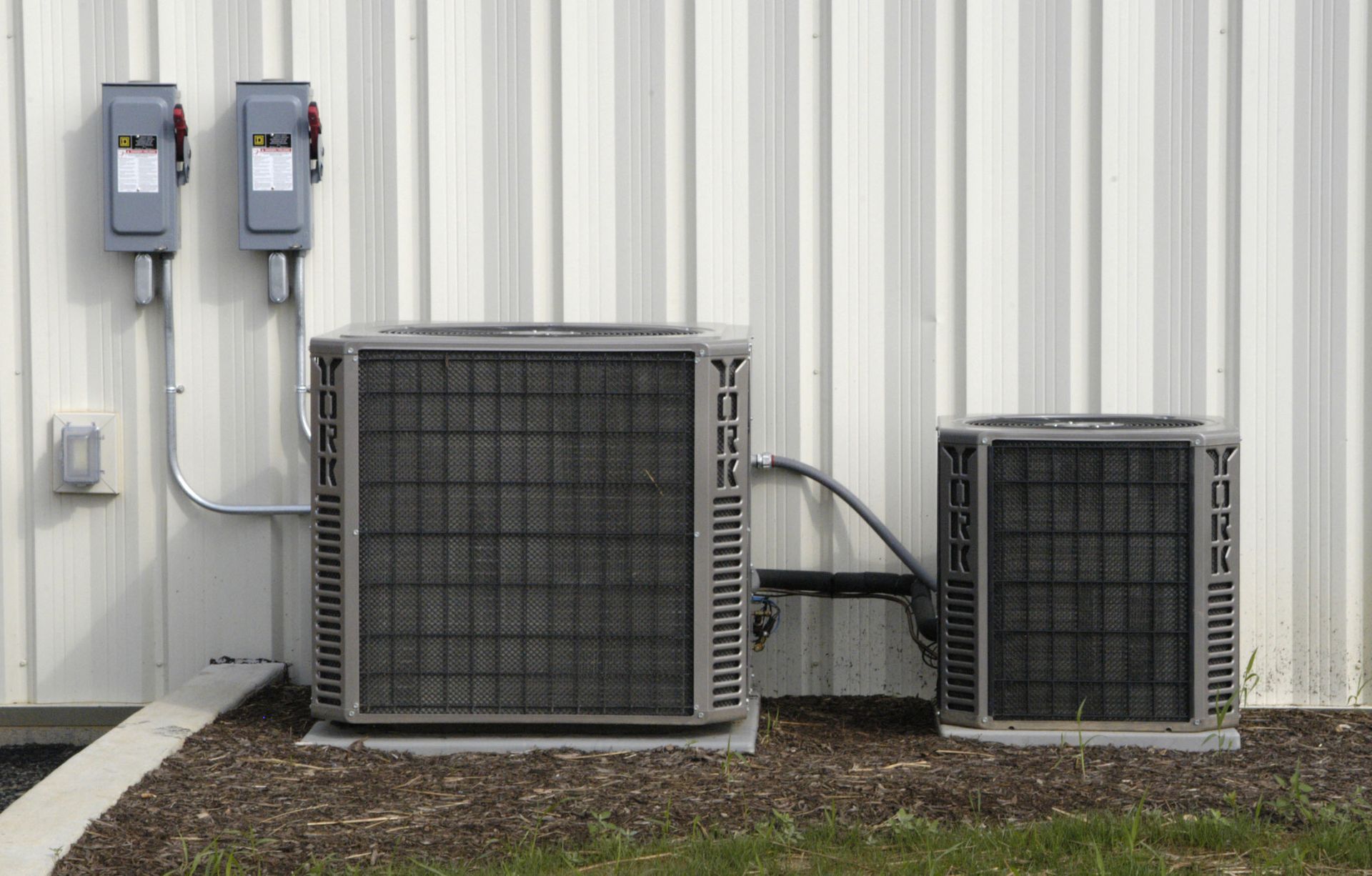
The emergence of central air systems revolutionized home and building climate control, offering more uniform cooling solutions. Central air incorporated ductwork and centralized units to distribute cooled air evenly throughout spaces, eliminating the patchy cooling of previous setups. These systems became especially popular in new constructions and renovations, reflecting an architectural shift towards integrated design. The convenience and efficiency offered by central air systems have become a standard in modern architecture. This shift contributed to the nearly universal presence of air conditioning in contemporary structures.
3.3 Introduction of Smart and Automated Systems
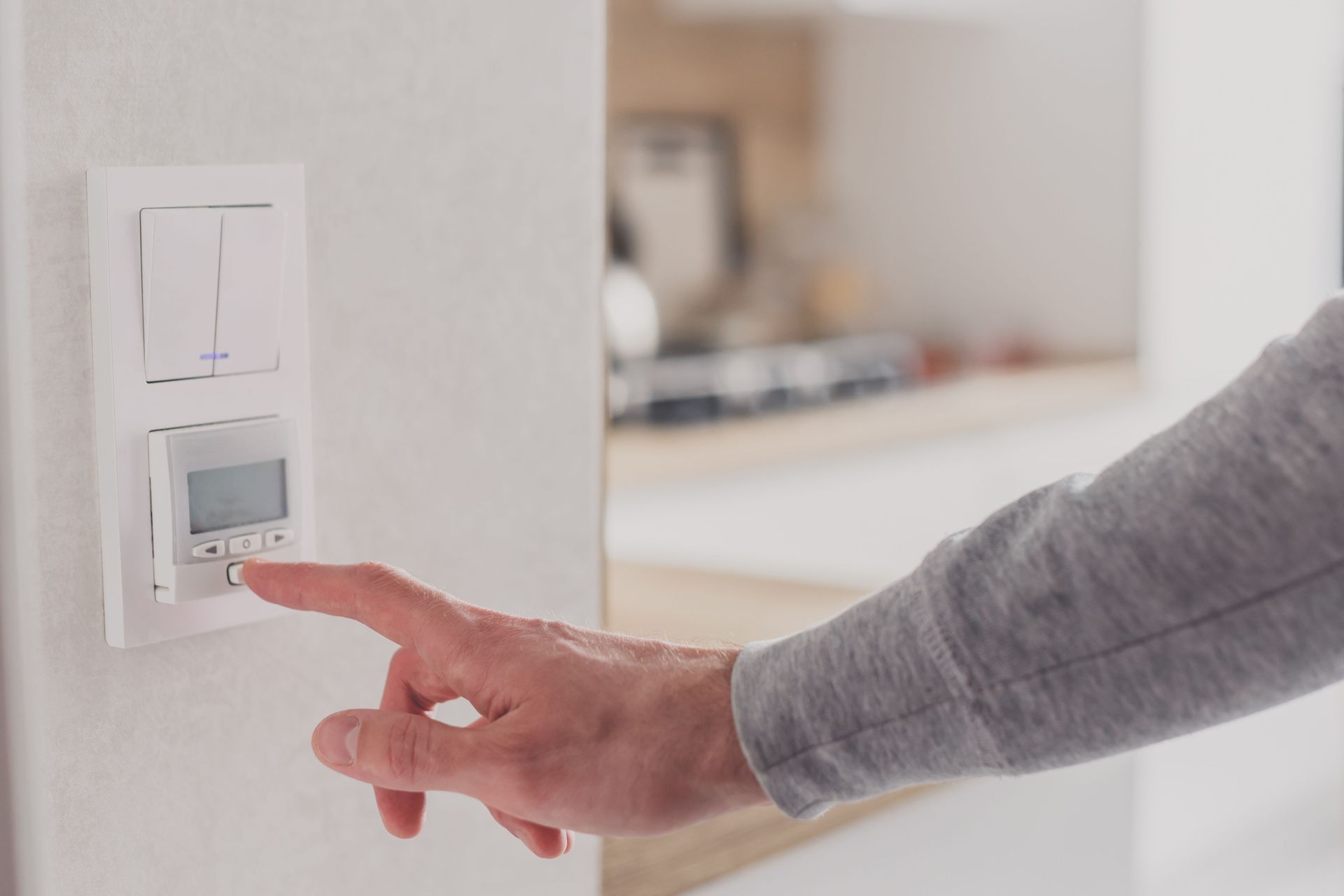
Smart technology has ushered in a new era of automated air conditioning systems, enhancing user control and efficiency. With advancements in sensors and connectivity, smart HVAC systems can adjust settings based on occupancy and personal preferences. These systems offer features like remote access through smartphones and integration with home automation platforms. Automation not only improves comfort but also contributes to energy savings by optimizing system operation. The introduction of smart systems aligns with a broader trend towards digital integration and home automation.
Air conditioning has indelibly transformed societies worldwide, offering comfort, enhancing productivity, and redefining cultural norms. As we reflect on its journey from luxury to necessity, it is clear that air conditioning will continue to evolve amidst technological and environmental challenges. Future developments will shape its trajectory, with an emphasis on sustainability, integration, and innovation, ensuring that air conditioning remains a pivotal component of modern living. Be sure to reach out to All Seasons Heating & Cooling today to learn more about our professional air conditioning installation!